NOTICE: Surrey Place OPSEU members began strike action on May 25, 2026. 

For updates on impacted services and more, visit our Strike Information page.

  • Services
    AUTISM SERVICES
    • Overview
    • Early Childhood / Preschool (0–6)
    • School-Age (6–18)
    • Adult Autism Services (18+)
    • Urgent Response Services (URS)
    • Foundational Family Services
    • ABA Groups & Camps
    • Psychology & Psychiatric Clinic
    • Respite
    Developmental & Disability Supports
    • Overview
    • Infant Hearing Program
    • Blind-Low Vision Program
    • Behaviour Therapy
    • Speech-Language Pathology
    • Occupational Therapy
    • Fetal Alcohol Spectrum Disorder (FASD)
    • Social Work
    • Medical Services
    Free Community Programs
    • Overview
    • Social Groups (Child, Youth, Adult)
    • Wellness Services
    • Camps & Recreational Programs
    For Professionals & Partners
    • Overview
    • SPO Registration
    • School Support Program
  • Get Started
    I'm New - Start Here
    • How to Get Support
    • Diagnosis Next Steps
    • SmartStart Hub
    • Coordinated Service Planning
    Intake & Registration
    • Online Intake Form (0-18)
    • Online Intake Form (18+)
    • Register for a Program
    • Book an Appointment
    Funding & Costs
    • Ontario Autism Program (OAP)
    • Fees and Payments
    Eligibility & Who We Serve
    • Autism Services
    • DSO Toronto Region
    • FASD Services
    • Infant and Child Development
  • Resources
    Resources & Tools
    • Resource Library
    • OAP Next Steps
    • Mental Health Toolkit
    • Podcast
    Community Supports
    • Community Food Pantry
    • Community Outreach
    • Upcoming Events
    • Community Network of Specialized Care
    Education
    • Clinical & Student Placements
    • Medical Placements
    • Psychology Practicum
    • Psychology Residency
    Research & Publications
    • News, Stories and Events
    • Reports (Annual, Clinical, Program)
  • More
    Events & Workshops
    • Upcoming Workshops
    • Parent Trainings
    • Professional Trainings
    • OAP funded
    • Wellness Services
    Get Involved
    • Volunteer
    • Donate
    • Self-Advocate Council
    • Family Advisory Council
    • Caregiver Peer Mentor Programs
    • Careers
    About Us
    • Who We Are
    • Testimonials
    • News & Announcements
    • Our Team & Leadership
    • Equity, Inclusion & Accessibility
    • Policies, Reports & Disclosures
    Contact Us
    • Contact Us
    • Foundation
    • Urgent Response Services
    • Share Your Story
    • Feedback & Complaints
    • Join Our Newsletter
Loading languages...
Register Login
AUTISM SERVICES
  • Overview
  • Early Childhood / Preschool (0–6)
  • School-Age (6–18)
  • Adult Autism Services (18+)
  • Urgent Response Services (URS)
  • Foundational Family Services
  • ABA Groups & Camps
  • Psychology & Psychiatric Clinic
  • Respite
Developmental & Disability Supports
  • Overview
  • Infant Hearing Program
  • Blind-Low Vision Program
  • Behaviour Therapy
  • Speech-Language Pathology
  • Occupational Therapy
  • Fetal Alcohol Spectrum Disorder (FASD)
  • Social Work
  • Medical Services
Free Community Programs
  • Overview
  • Social Groups (Child, Youth, Adult)
  • Wellness Services
  • Camps & Recreational Programs
For Professionals & Partners
  • Overview
  • SPO Registration
  • School Support Program
I'm New - Start Here
  • How to Get Support
  • Diagnosis Next Steps
  • SmartStart Hub
  • Coordinated Service Planning
Intake & Registration
  • Online Intake Form (0-18)
  • Online Intake Form (18+)
  • Register for a Program
  • Book an Appointment
Funding & Costs
  • Ontario Autism Program (OAP)
  • Fees and Payments
Eligibility & Who We Serve
  • Autism Services
  • DSO Toronto Region
  • FASD Services
  • Infant and Child Development
Resources & Tools
  • Resource Library
  • OAP Next Steps
  • Mental Health Toolkit
  • Podcast
Community Supports
  • Community Food Pantry
  • Community Outreach
  • Upcoming Events
  • Community Network of Specialized Care
Education
  • Clinical & Student Placements
  • Medical Placements
  • Psychology Practicum
  • Psychology Residency
Research & Publications
  • News, Stories and Events
  • Reports (Annual, Clinical, Program)
Events & Workshops
  • Upcoming Workshops
  • Parent Trainings
  • Professional Trainings
  • OAP funded
  • Wellness Services
Get Involved
  • Volunteer
  • Donate
  • Self-Advocate Council
  • Family Advisory Council
  • Caregiver Peer Mentor Programs
  • Careers
About Us
  • Who We Are
  • Testimonials
  • News & Announcements
  • Our Team & Leadership
  • Equity, Inclusion & Accessibility
  • Policies, Reports & Disclosures
Contact Us
  • Contact Us
  • Foundation
  • Urgent Response Services
  • Share Your Story
  • Feedback & Complaints
  • Join Our Newsletter

Your Cart

Total $0.00
View Cart Proceed to Checkout

Price:

Not sure what to choose? View Program Details

Successfully Added to Cart!
Proceed to Checkout

Keep Browsing or Go to Cart

  1. Home
  2. Resources
  3. News & Stories
  4. Creating a safe and inclusive environment at Surrey Place

Creating a safe and inclusive environment at Surrey Place

JUNE 17, 2024
At Surrey Place, inclusion isn’t just one of our core values, it’s a commitment we’ve woven into the fabric of our organization. Promoting a welcoming environment that celebrates diversity, eliminates barriers to accessing services, and values the right to belong is an important goal for Surrey Place. We want everyone to know they’re welcome.

Fostering inclusion is an ongoing process that requires intentional action and dedication to continuous learning. Read on to learn how we are leading the charge in creating safe spaces.

Embracing Gender-Inclusive Language

At Surrey Place, language matters in many ways. We place emphasis on using accessible, respectful, and gender-inclusive language. Gender-inclusive language is a way of communicating that strives to make everyone feel included and treat people of all genders, and agender (those with no gender), with respect and dignity. Some key tips we follow by include:

  • Avoid gendered language or language that frames gender as binary.
  • Always seek permission and clarification from the person or people on how they want to be identified and use pronouns in accordance with what a person wants.
  • Use gender-neutral terms for job titles or when a person’s gender or personal pronouns are unknown.
  • Be mindful of culturally significant terms, like “2-Spirit” in Indigenous communities.

These are only some of the ways that we can ensure we are using inclusive language in the way we speak or write.

Visual Statements and Awareness Days

Visual statements are a powerful way to symbolize that all are welcome. By sharing visual symbols, such as Pride flags in our offices and website, we are letting others know that we support and encourage inclusive behaviour.
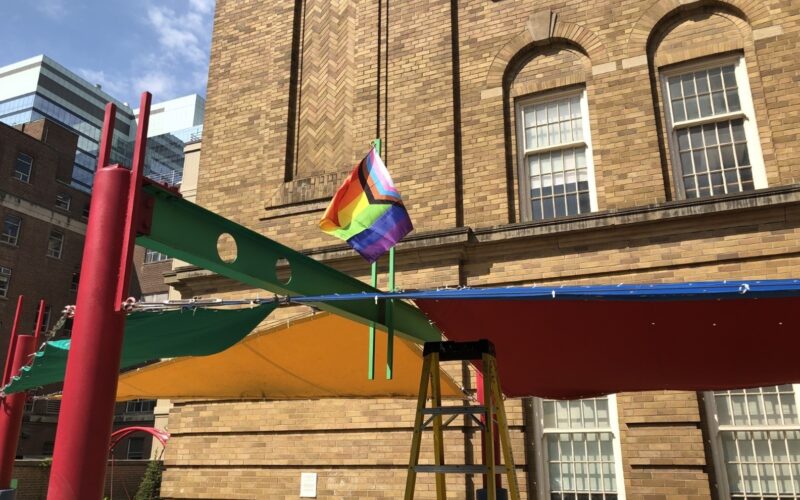
Image not available
In addition to symbols, we actively celebrate awareness and diversity days with staff, such as Pride Month and Bi-Visibility Day to promote ongoing discussion, education, and community development. By promoting these diversity and awareness days both internally and externally, we encourage community celebration and representation.
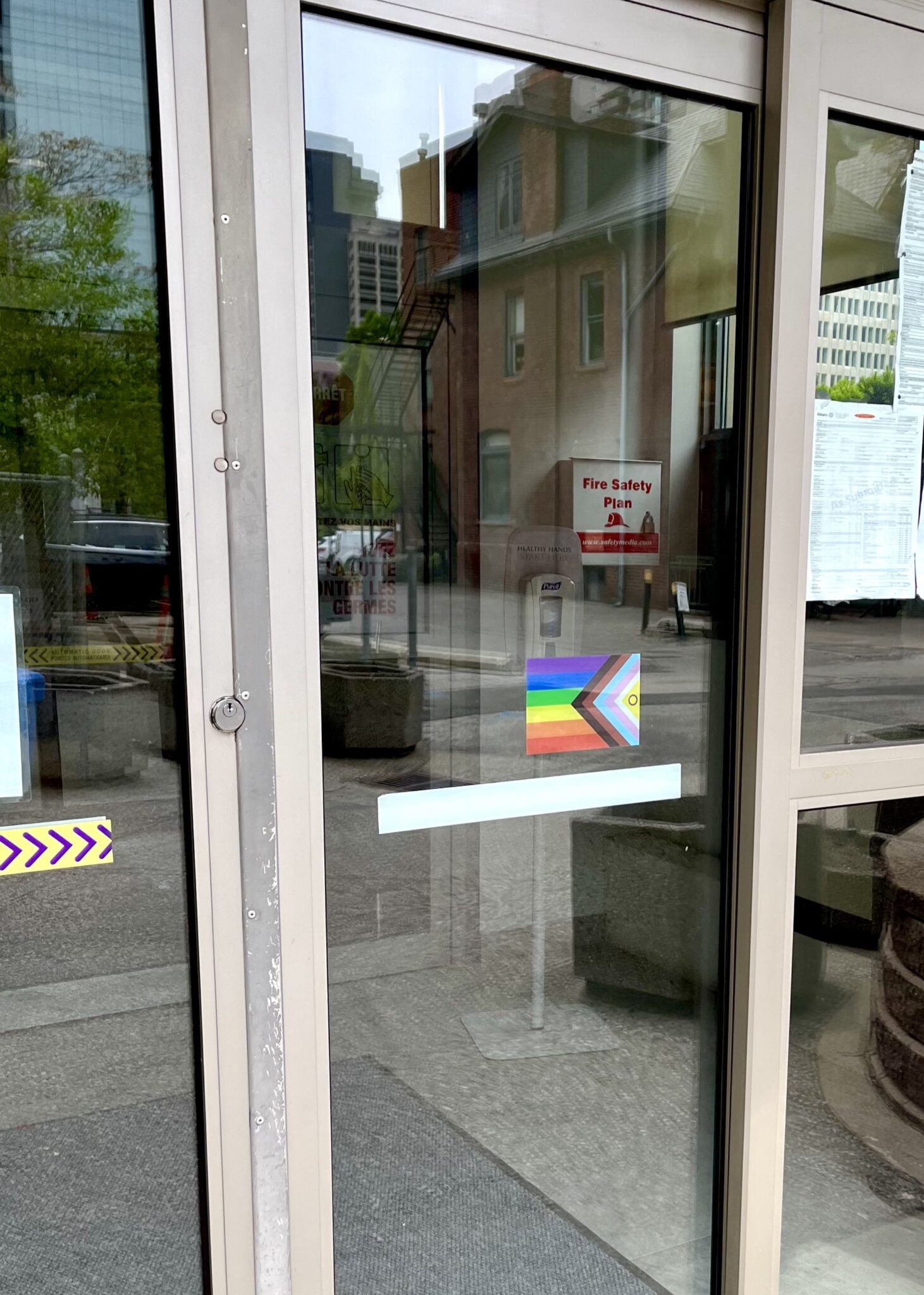
Image not available

Client-Centered Intake Practices

As the initial point of contact for clients and families, our Intake Team plays a critical role in creating safe spaces.


We take a client-centered approach, empowering families and clients to share their priorities through strength-based approaches. Families can identify their specific needs and what they feel is important for our staff to know.

Image not available
Understanding that the Intake process can often feel overwhelming, our intake staff use trauma-informed practices to ensure that all conversations are conducted with sensitivity and respect. By placing families at the forefront, we can cultivate an environment of trust, centered and culturally sensitive care.

Commitment to Continuous Education

As an organization focused on prioritizing inclusion, our Equity, Diversity, Inclusion, Accessibility (EDIA) and Innovation team provides opportunities for Surrey Place to engage in continuous education and learning. Having an ongoing education strategy is crucial to inclusion. Maintaining a welcoming environment for all who use our services requires our staff to be continually reflecting, unlearning and learning.

Intersectionality is a key topic in conversations about inclusion since people may identify with multiple identities that have an impact on their life. Using a top-down model for EDIA means that every person at Surrey Place has a role to play in learning and accountability.
EDIA work means having differing voices heard at all levels, and inviting people to the table. We want to gain information from our community members and staff so we can learn from individuals with lived experience.
Kim S. Daniel, Director of EDIA and Innovation
Our EDIA and Innovation team works to ensure that diverse voices, including 2SLGBTQIA+, Black and Indigenous voices, are heard and valued. At Surrey Place we are currently offering training sessions to learn about EDIA fundamentals. Moreover, to better engage with the 2SLGBTQIA+ community, we are continuously seeking inclusive best practices and creating platforms (e.g. EDIA coffee chats) to ensure our work aligns with the needs of diverse communities.

In summary, inclusion isn’t just a goal at Surrey Place – it’s a lifelong journey that requires dedication and commitment. By focusing on the language we use, our physical spaces, client-centered practices, and continuous learning, together we are building a more inclusive future for all.
Share

Quick Access

  • Services & Programs
  • Get Started
  • Partners & Organizations
  • Events & Workshops

Organizational

  • About Us
  • Leadership & Governance
  • Publications & Statistics
  • Inclusion & Accessibility

Support & Community

  • Get Involved
  • Donate
  • Community Outreach
  • Wellness Services

Contact Us

  • Phone numbers
  • Email
  • Locations
  • Careers
© 2026 Surrey Place Privacy Policy Sitemap
Need help?

Select one or more options below to adjust this website for your accessibility needs.

Light contrast
Light Contrast
Invert colors Invert Colors
Dark contrast Dark Contrast
Low saturation Low Saturation
Highlight links Highlight Links
Highlight links enabled Highlight Links
Text spacing Text Spacing
Light text spacing Light Spacing
Medium text spacing Medium Spacing
Heavy text spacing Heavy Spacing
Text size Text Size
Increase text size A
Increase text size more A+
Maximum text size A++
Readable font Readable Font
Dyslexia friendly font Dyslexia Friendly
Legible font Legible Font
Reading cursor Reading Cursor
Big cursor Big Cursor
Reading mask Reading Mask
Reading guide Reading Guide
Line height Line Height
Line height 1 Line Height 1
Line height 2 Line Height 2
Line height 3 Line Height 3
Text alignment Text Alignment
Align right Align Right
Align left Align Left
Align center Align Center
Justify text Justify Text
Reset