NOTICE: Surrey Place OPSEU members began strike action on May 25, 2026. 

For updates on impacted services and more, visit our Strike Information page.

  • Services
    AUTISM SERVICES
    • Overview
    • Early Childhood / Preschool (0–6)
    • School-Age (6–18)
    • Adult Autism Services (18+)
    • Urgent Response Services (URS)
    • Foundational Family Services
    • ABA Groups & Camps
    • Psychology & Psychiatric Clinic
    • Respite
    Developmental & Disability Supports
    • Overview
    • Infant Hearing Program
    • Blind-Low Vision Program
    • Behaviour Therapy
    • Speech-Language Pathology
    • Occupational Therapy
    • Fetal Alcohol Spectrum Disorder (FASD)
    • Social Work
    • Medical Services
    Free Community Programs
    • Overview
    • Social Groups (Child, Youth, Adult)
    • Wellness Services
    • Camps & Recreational Programs
    For Professionals & Partners
    • Overview
    • SPO Registration
    • School Support Program
  • Get Started
    I'm New - Start Here
    • How to Get Support
    • Diagnosis Next Steps
    • SmartStart Hub
    • Coordinated Service Planning
    Intake & Registration
    • Online Intake Form (0-18)
    • Online Intake Form (18+)
    • Register for a Program
    • Book an Appointment
    Funding & Costs
    • Ontario Autism Program (OAP)
    • Fees and Payments
    Eligibility & Who We Serve
    • Autism Services
    • DSO Toronto Region
    • FASD Services
    • Infant and Child Development
  • Resources
    Resources & Tools
    • Resource Library
    • OAP Next Steps
    • Mental Health Toolkit
    • Podcast
    Community Supports
    • Community Food Pantry
    • Community Outreach
    • Upcoming Events
    • Community Network of Specialized Care
    Education
    • Clinical & Student Placements
    • Medical Placements
    • Psychology Practicum
    • Psychology Residency
    Research & Publications
    • News, Stories and Events
    • Reports (Annual, Clinical, Program)
  • More
    Events & Workshops
    • Upcoming Workshops
    • Parent Trainings
    • Professional Trainings
    • OAP funded
    • Wellness Services
    Get Involved
    • Volunteer
    • Donate
    • Self-Advocate Council
    • Family Advisory Council
    • Caregiver Peer Mentor Programs
    • Careers
    About Us
    • Who We Are
    • Testimonials
    • News & Announcements
    • Our Team & Leadership
    • Equity, Inclusion & Accessibility
    • Policies, Reports & Disclosures
    Contact Us
    • Contact Us
    • Foundation
    • Urgent Response Services
    • Share Your Story
    • Feedback & Complaints
    • Join Our Newsletter
Loading languages...
Register Login
AUTISM SERVICES
  • Overview
  • Early Childhood / Preschool (0–6)
  • School-Age (6–18)
  • Adult Autism Services (18+)
  • Urgent Response Services (URS)
  • Foundational Family Services
  • ABA Groups & Camps
  • Psychology & Psychiatric Clinic
  • Respite
Developmental & Disability Supports
  • Overview
  • Infant Hearing Program
  • Blind-Low Vision Program
  • Behaviour Therapy
  • Speech-Language Pathology
  • Occupational Therapy
  • Fetal Alcohol Spectrum Disorder (FASD)
  • Social Work
  • Medical Services
Free Community Programs
  • Overview
  • Social Groups (Child, Youth, Adult)
  • Wellness Services
  • Camps & Recreational Programs
For Professionals & Partners
  • Overview
  • SPO Registration
  • School Support Program
I'm New - Start Here
  • How to Get Support
  • Diagnosis Next Steps
  • SmartStart Hub
  • Coordinated Service Planning
Intake & Registration
  • Online Intake Form (0-18)
  • Online Intake Form (18+)
  • Register for a Program
  • Book an Appointment
Funding & Costs
  • Ontario Autism Program (OAP)
  • Fees and Payments
Eligibility & Who We Serve
  • Autism Services
  • DSO Toronto Region
  • FASD Services
  • Infant and Child Development
Resources & Tools
  • Resource Library
  • OAP Next Steps
  • Mental Health Toolkit
  • Podcast
Community Supports
  • Community Food Pantry
  • Community Outreach
  • Upcoming Events
  • Community Network of Specialized Care
Education
  • Clinical & Student Placements
  • Medical Placements
  • Psychology Practicum
  • Psychology Residency
Research & Publications
  • News, Stories and Events
  • Reports (Annual, Clinical, Program)
Events & Workshops
  • Upcoming Workshops
  • Parent Trainings
  • Professional Trainings
  • OAP funded
  • Wellness Services
Get Involved
  • Volunteer
  • Donate
  • Self-Advocate Council
  • Family Advisory Council
  • Caregiver Peer Mentor Programs
  • Careers
About Us
  • Who We Are
  • Testimonials
  • News & Announcements
  • Our Team & Leadership
  • Equity, Inclusion & Accessibility
  • Policies, Reports & Disclosures
Contact Us
  • Contact Us
  • Foundation
  • Urgent Response Services
  • Share Your Story
  • Feedback & Complaints
  • Join Our Newsletter

Your Cart

Total $0.00
View Cart Proceed to Checkout

Price:

Not sure what to choose? View Program Details

Successfully Added to Cart!
Proceed to Checkout

Keep Browsing or Go to Cart

  1. Home
  2. Resources
  3. News & Stories
  4. The importance of creating safe spaces for 2SLGBTQ+ communities

The importance of creating safe spaces for 2SLGBTQ+ communities

JUNE 14, 2022

Bias-free zones where all individuals feel welcome are vital, yet exceedingly rare


When Sarah Flint talks about what a safe space looks like for people from the 2SLGBTQ+ community, she describes a judgment-free zone where others accept you unconditionally. This is exactly the type of welcoming, inclusive environment Flint experienced when she attended her first practice for 
Singing Out, Toronto’s largest 2SLGBTQ+ choir.
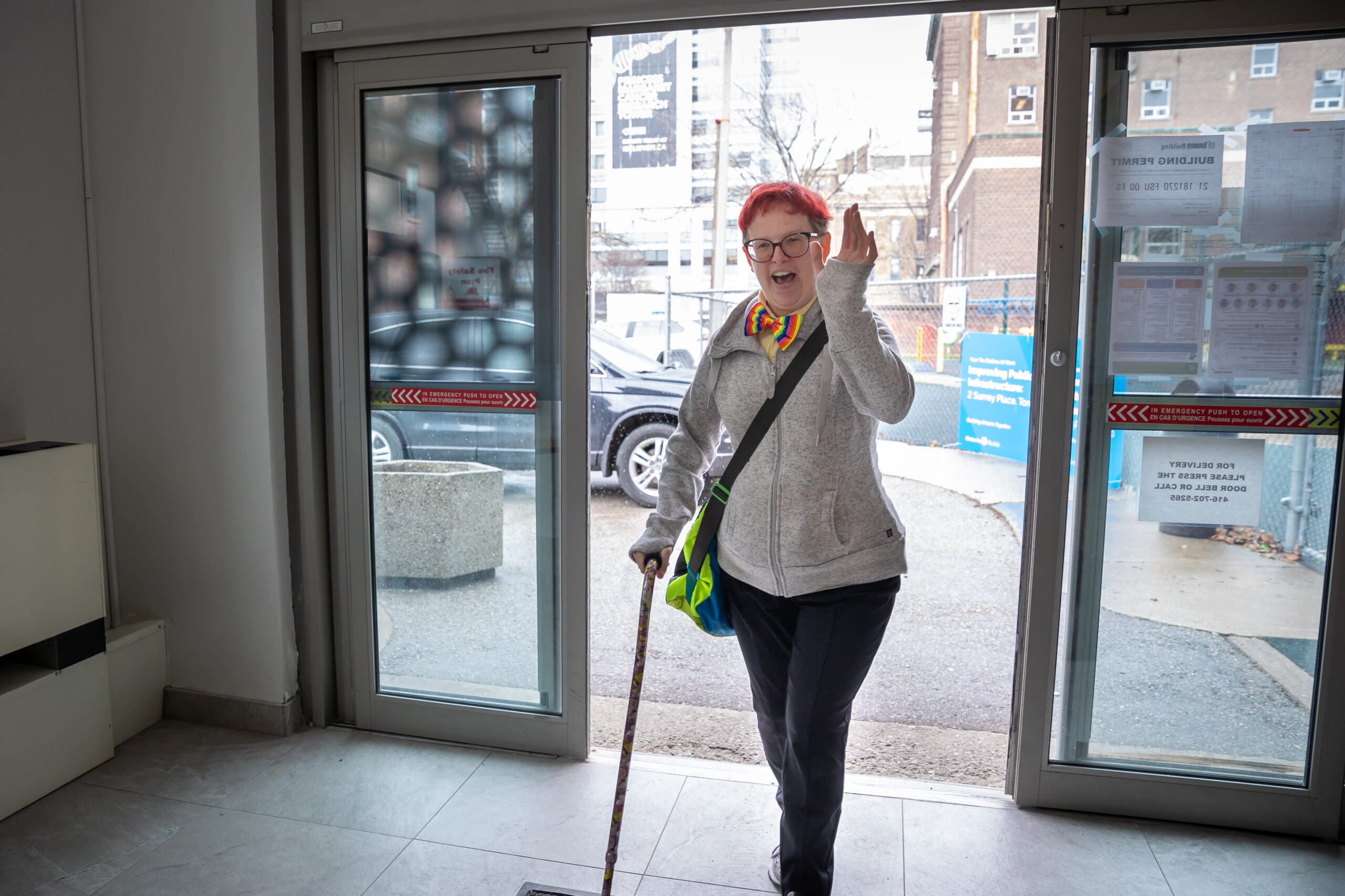
Image not available
“I walked into the room, looked around and I felt whole,” says Flint, a lesbian who lives with a developmental disability. “On a personal level, safety means being somewhere where I know people have my back.”
Inclusion has to be intentional. This means understanding and embracing the concept of inclusion and really believing it.
DEANNA DJOS, SEXUAL HEALTH PROMOTER

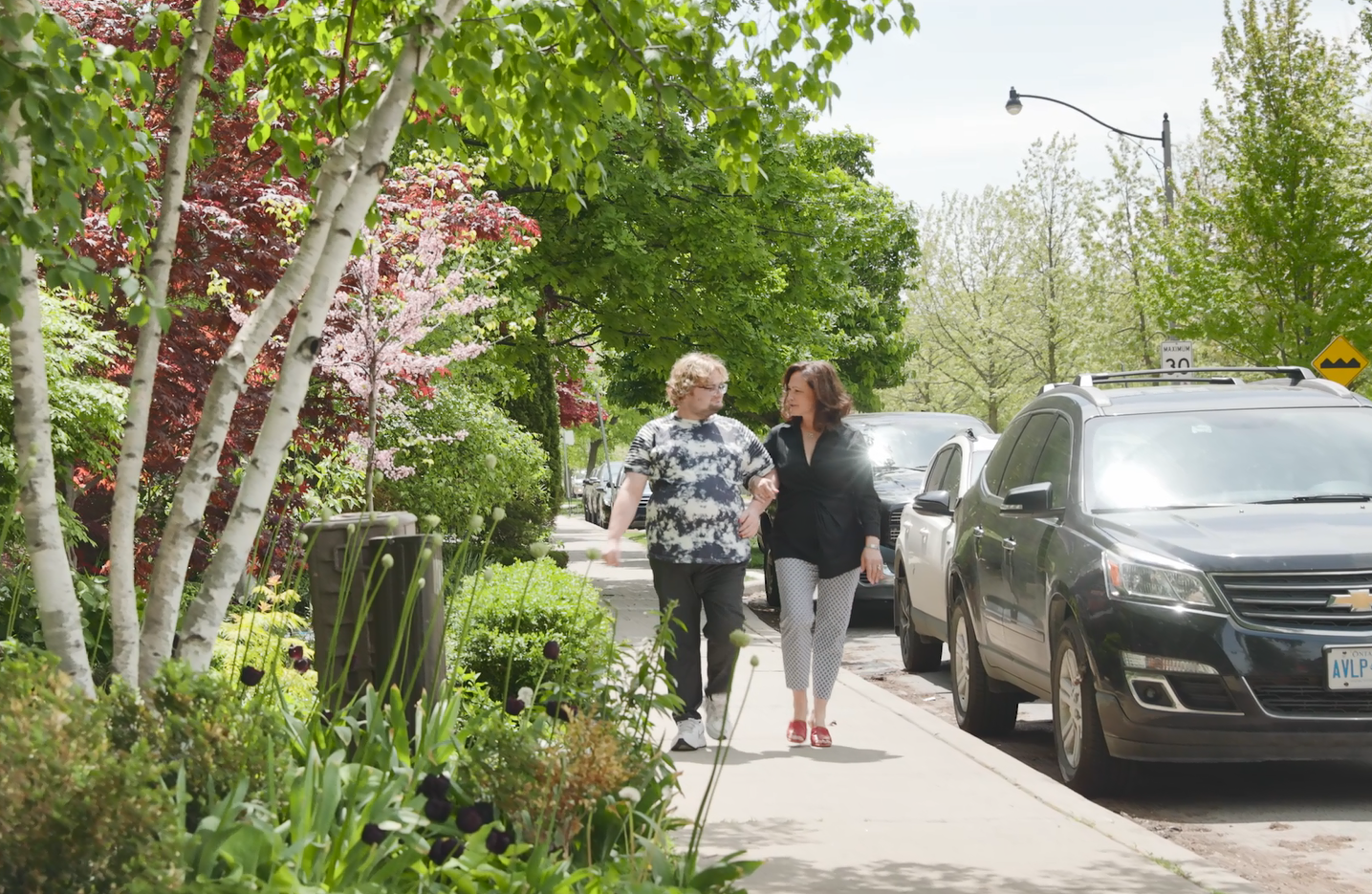
After coming out, Flint encountered some challenges – she was bullied in college, where she says she was “gay-bashed.” Despite this, Flint, a peer mentor with Adult Services at Surrey Place, describes herself as very fortunate. After coming out several years ago, both sides of Flint’s family immediately accepted her, and she has a wonderfully supportive group of friends. She also has an open, honest and loving relationship with her parents, who are her biggest cheerleaders.

Others in the 2SLGBTQ+ community aren’t as fortunate.

“What I encounter every day is a little bit of fear,” says self-advocate Matthieu Tremblay, who identifies as non-binary and lives with a developmental disability. Tremblay points to concerns about violence or people taking advantage of them. “I’m different, and when I go outside, people look at me weirdly, and they say things because I walk differently.”

Tremblay describes a safe place as one of belonging and adds that the 2SLGBTQ+ community needs more safe spaces.

Deanna Djos, a Sexual Health Promoter with the Relationship Group at Montage Support Services, says anyone who is marginalized enters into a space uncertain if they’ll be embraced. She defines a safe space as one that’s free of bias, where this uncertainty doesn’t exist.

I’m different, and when I go outside, people look at me weirdly, and they say things because I walk differently.
MATTHIEU TREMBLAY, SELF-ADVOCATE

“Inclusion has to be intentional,” says Djos. “This means understanding and embracing the concept of inclusion and really believing it.” A safe space is also gender-neutral – this means a person’s gender isn’t assumed and the language used by others reflects this. Djos explains that being intentional about your pronouns creates space for others to feel comfortable using their pronouns when introducing themselves.

“It’s a simple statement, but they realize they have an ally, and that’s inclusion,” says Djos.

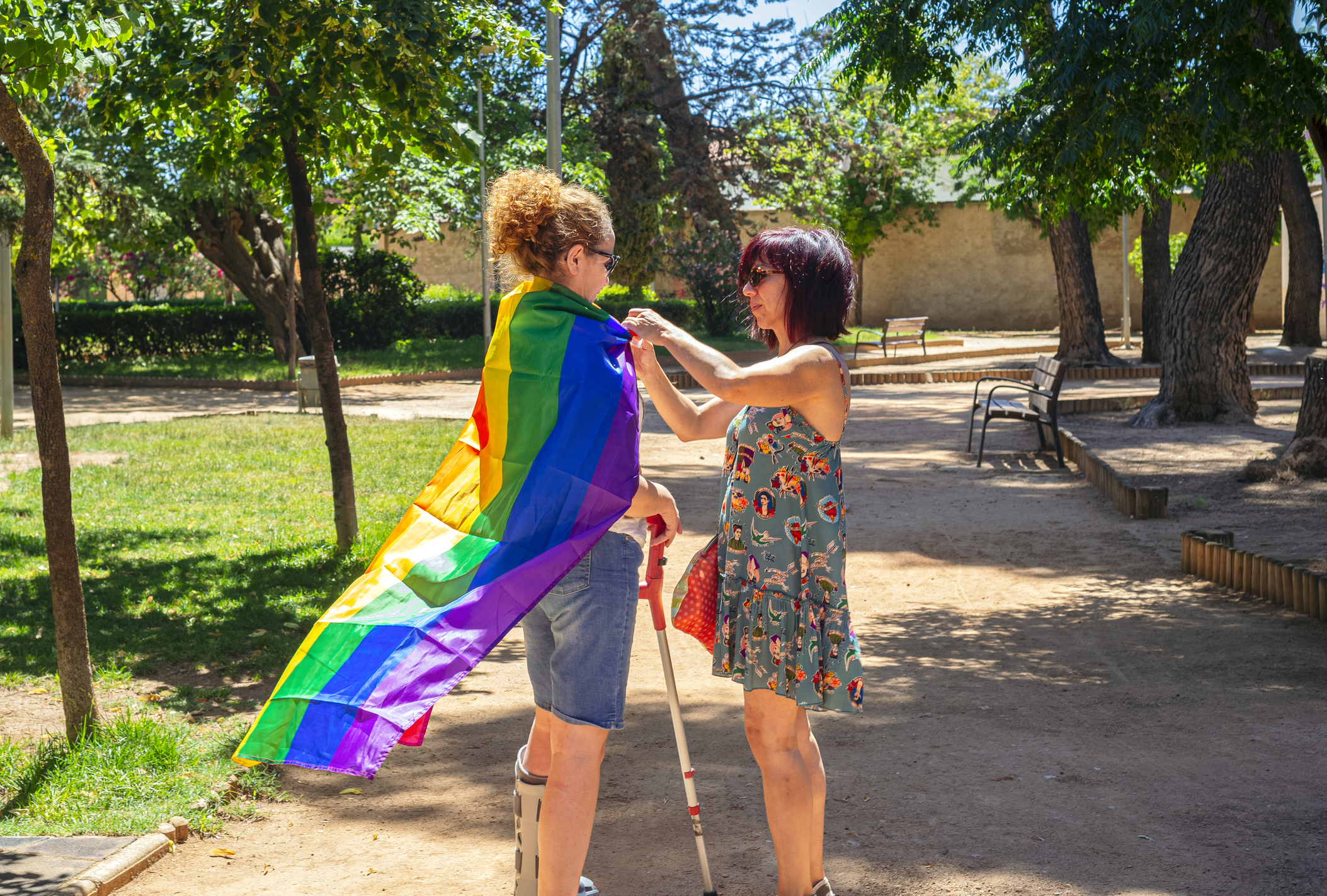
Visual statements are powerful too. To demonstrate a commitment to diversity and inclusion, Djos suggests putting up a rainbow flag on your front door, in your window or in your office. However, she says this should only be done if you know everyone is on board and committed to what this represents.

Sarah Flint’s mother, Frances, defines a safe space as “being loved for who you are.” She believes that as a society, we collectively need to do a better job of listening with the intent to understand, and without imposing our own solutions on others.

“We need to ask questions like, what is this like for you? What are the things that bother you? What would be helpful to you?” she says, adding that we need to draw out answers from the individual themselves.

I followed what Sarah needed at the time, what she felt comfortable with, and discovered where resources might come from.
FRANCES FLINT, SARAH FLINT’s mother

How family members can be supportive


Frances Flint advises family members of 2SLGBTQ+ individuals to be honest about their own vulnerabilities and seek out resources while helping their 2SLGBTQ+ family members find appropriate supports.

She says she is still learning and concedes there are many things she still doesn’t know about gay relationships.

After Sarah came out, Frances says she wanted to learn first-hand from her daughter. “I followed what Sarah needed at the time, what she felt comfortable with, and discovered where resources might come from,” she says.
Image not available
The Flint family also engages in activities together – everything from watching Ellen to participating in the Pride parade. “The first time we went to the Pride parade, I remember Sarah saying she couldn’t believe how comfortable she felt and that she was at home,” Frances recalls.

She emphasizes that family members also need to be adaptable. Over time, the Flint family has figured out where their boundaries are while exploring what they need to do differently. Frances advises family members to seek out people they can speak with for guidance noting that, in her experience, people are very open to helping.

She adds that there’s no carbon copy way of doing things. “You have to find your own path and it’s much easier if you have someone who will hold your hand – if you ask them, they will.”

Debunking misconceptions and promoting awareness

Individuals with developmental disabilities are considered asexual – people think they do not have emotional feelings towards the same sex or the opposite sex.
DEANNA DJOS, SEXUAL HEALTH PROMOTER

Tremblay says based on their experience, many neurotypical, straight, cisgender people aren’t educated about the 2SLGBTQ+ community, including those within the community who live with a developmental disability. This is something Tremblay wishes they could change.

“Some people think we have no place in the world,” Tremblay says.

Image not available

2SLGBTQ+ individuals experience bullying, rejection, discrimination and low self-esteem, says Djos. Individuals who identify as 2SLGBTQ+ and live with a developmental disability experience more challenges and often feel discouraged. According to Djos, there is a lot of misunderstanding surrounding these individuals, especially when it comes to their sexuality.

“Individuals with developmental disabilities are considered asexual – people think they do not have emotional feelings towards the same sex or the opposite sex,” says Djos. “Then there’s the other extreme, where they are overly sexualized.” These perceptions and false assumptions can make it harder for people with a developmental disability to come out as 2SLGBTQ+, she adds.

Those within the community need support and allyship. Djos defines being an ally as having an understanding of equal rights.

“Being an ally is to eat, breathe, walk and believe in all aspects of equality without any bias,” she says. Those who identify as 2SLGBTQ+ and live with a developmental disability are often viewed as childlike, incapable of taking care of themselves, and unable to understand relationships and emotions, Djos maintains. With that in mind, she explains that being an ally includes fighting for equal rights. “Being an ally is a big ask and most people say they are, but to really examine what that means is important,” she explains.

According to Tremblay, being an ally to 2SLGBTQ+ individuals – including those living with a developmental disability – means educating yourself about what it means to be 2SLGBTQ+ while simultaneously educating others to correct misconceptions and help promote greater understanding. If people are truly interested in advocating for the 2SLGBTQ+ community, they can seek resources and volunteer opportunities.

On a personal level, safety means being somewhere where I know people have my back.
SARAH FLINT, SELF-ADVOCATE

Djos says there’s much work to be done to create safe, bias-free spaces where 2SLGBTQ+ individuals feel understood and accepted, particularly those with a developmental disability. She says the first step is access to an inclusive sex education curriculum that encompasses all individuals. “That curriculum simply doesn’t exist for individuals who have developmental disabilities,” she says.

Djos believes agencies and organizations should assume a leadership role in establishing safe spaces for 2SLGBTQ+ individuals, including those living with developmental disabilities.

“We’re hard-pressed to figure out where they can go,” she says, adding that when people from the community reach out for support or education, often social workers and agencies are unsure how to provide support because they’re not equipped with the right kind of training. “We have a long way to go,” says Djos.

Where to go for resources and support

For individuals who want to support the 2SLGBTQ+ community:

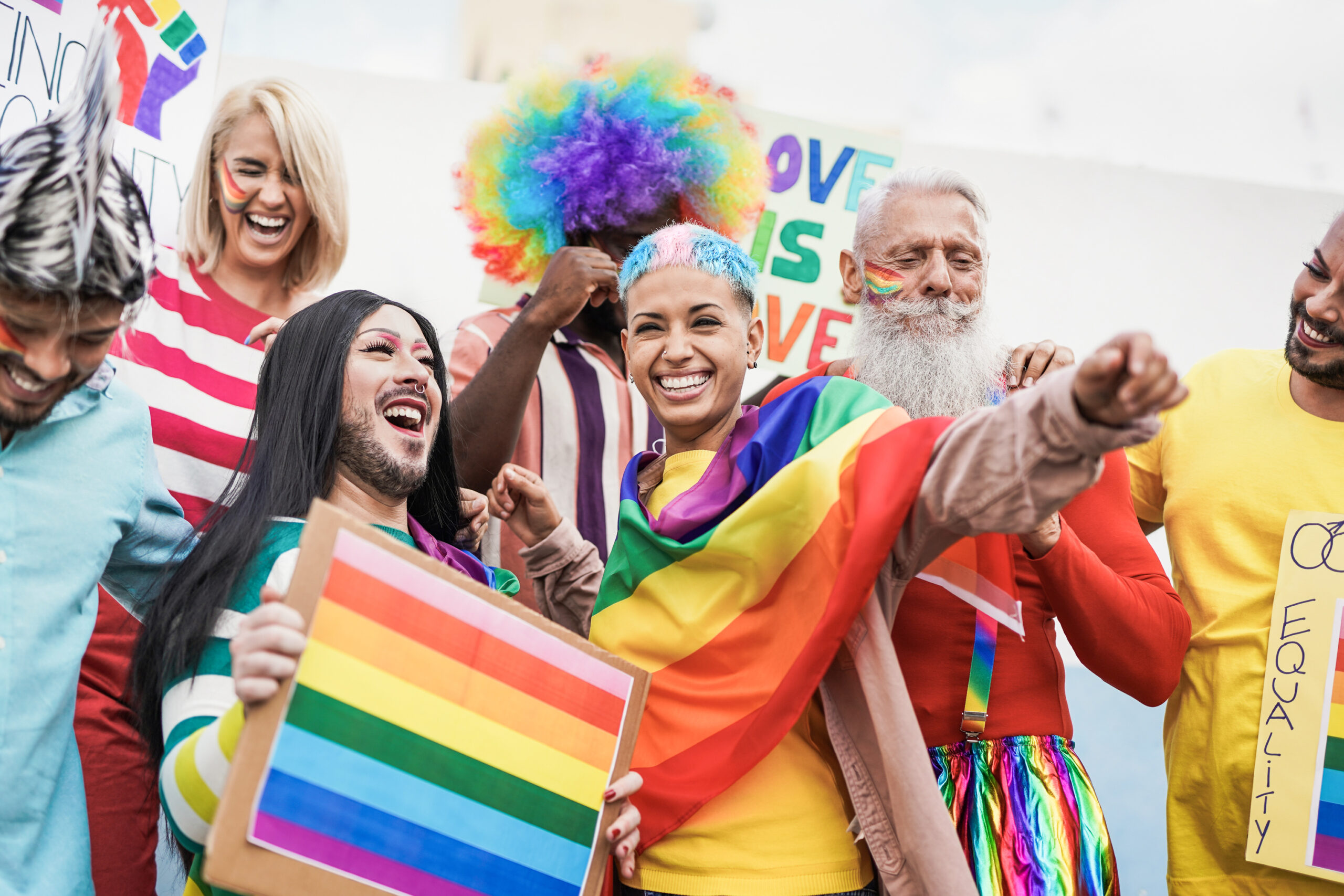
June is Pride Month and Djos notes that beyond being a wonderful celebration, it’s about education, community, and connecting people with resources and supports. Pride Month also provides an opportunity to create safe spaces.

“I encourage people who want to learn more and become a stronger ally to volunteer at Pride events,” says Djos. Toronto PFLAG (Parents, Families, and Friends of Lesbians and Gays) provides another great opportunity for those who want to proactively support the 2SLGBTQ+ community.

Image not available
What’s great about Pride Month is that all the resources are very available and all the volunteer opportunities are clearly laid out,” she says.

For those looking to develop a deeper understanding of 2SLGBTQ+ people, Djos says this can be as simple as talking to a colleague or friend who identifies as part of the community.

“Any start is a good start,” she says. “Start with where you’re comfortable.”

For individuals who identify as part of the 2SLGBTQ+ community:

  • 2SLGBTQ+ individuals can find support, resources and programming at The 519 (formerly known as The 519 Church Street Community Centre), located at Church Street and Wellesley in downtown Toronto. The 519 is a non-profit organization that advocates for the inclusion of 2SLGBTQ+ communities and runs programming and events.

  • Sherbourne Health offers a wide range of primary healthcare programs and services for 2SLGBTQ+ individuals, and addresses community-specific health issues.

  • For 2SLGBTQ+ individuals looking for a safe, inclusive space, Sarah recommends Singing Out, Toronto’s largest 2SLGBTQ+ choir. Established in 1992, Singing Out is a non-auditioned choir for anyone who loves to sing.

Surrey Place strives to create safe, inclusive spaces for clients, caregivers and staff who identify as 2SLGBTQ+. We recognize that safe spaces require proactive consideration and participation from entire communities. We are committed to creating a welcoming environment that celebrates diversity. To learn more, visit our inclusion and accessibility page.

Happy Pride Month to all our clients, families and partners.

Written by Stacey Stein
Share

Quick Access

  • Services & Programs
  • Get Started
  • Partners & Organizations
  • Events & Workshops

Organizational

  • About Us
  • Leadership & Governance
  • Publications & Statistics
  • Inclusion & Accessibility

Support & Community

  • Get Involved
  • Donate
  • Community Outreach
  • Wellness Services

Contact Us

  • Phone numbers
  • Email
  • Locations
  • Careers
© 2026 Surrey Place Privacy Policy Sitemap
Need help?

Select one or more options below to adjust this website for your accessibility needs.

Light contrast
Light Contrast
Invert colors Invert Colors
Dark contrast Dark Contrast
Low saturation Low Saturation
Highlight links Highlight Links
Highlight links enabled Highlight Links
Text spacing Text Spacing
Light text spacing Light Spacing
Medium text spacing Medium Spacing
Heavy text spacing Heavy Spacing
Text size Text Size
Increase text size A
Increase text size more A+
Maximum text size A++
Readable font Readable Font
Dyslexia friendly font Dyslexia Friendly
Legible font Legible Font
Reading cursor Reading Cursor
Big cursor Big Cursor
Reading mask Reading Mask
Reading guide Reading Guide
Line height Line Height
Line height 1 Line Height 1
Line height 2 Line Height 2
Line height 3 Line Height 3
Text alignment Text Alignment
Align right Align Right
Align left Align Left
Align center Align Center
Justify text Justify Text
Reset