The relationship between mental health and autism
MAY 05, 2022
Autistic people are more likely to live with a mental health condition, often the result of a vicious cycle rooted in daily stressors, according to Dr. Jonathan Weiss, a professor in York University’s Department of Psychology and Director of the LaMarsh Centre for Child and Youth Research.
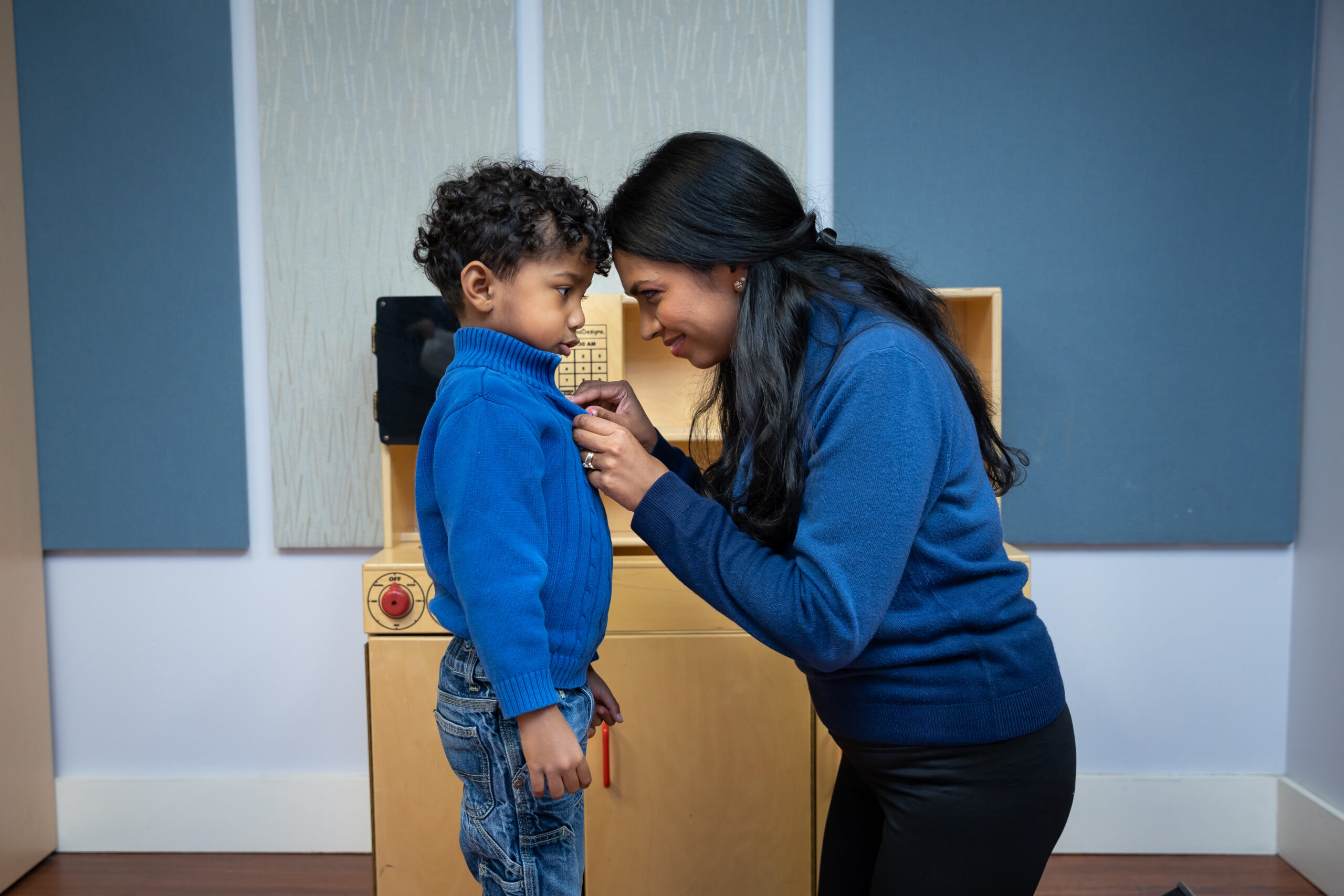
78 percent of children with autism have at least one mental health condition
Seven out of 10 autistic people have a condition such as anxiety, depression, ADHD or obsessive-compulsive disorder. A new study found that nearly 78 percent of children with autism have at least one mental health condition and nearly half have two or more. Meanwhile, the same study noted that only 14.1 percent of children without autism (ages three to 17) have a mental health condition. This begs the question: what is the correlation between autism and a higher incidence of mental health problems?

Growing up autistic in a non-autistic society presents itself with many daily hassles, many kinds of acute traumas, or more generally, experiences of stigmatization and marginalization.
Dr. Weiss seeks to understand this relationship through research that focuses on mental health in people with autism or intellectual disabilities across the lifespan. He notes that as people with autism experience more stressors related to their condition, they experience greater challenges regulating emotions, along with intensified feelings of anxiety and stress.
This results in what he refers to as a cycle of negativity, where autism-related stressors lead to negative emotions, which then lead to more stressors, which in turn lead to more negative emotions. “It’s not just emotions, but the way people see and experience the world. And that results in mental health problems,” he says.
Mental health conditions in autistic people are also more likely to go undiagnosed due to a phenomenon called diagnostic overshadowing, where a diagnosis of autism ends up obscuring a clinician’s ability to identify other symptoms. This causes the clinician to mistakenly see a person’s autism as a mental health problem.
The impact of the pandemic
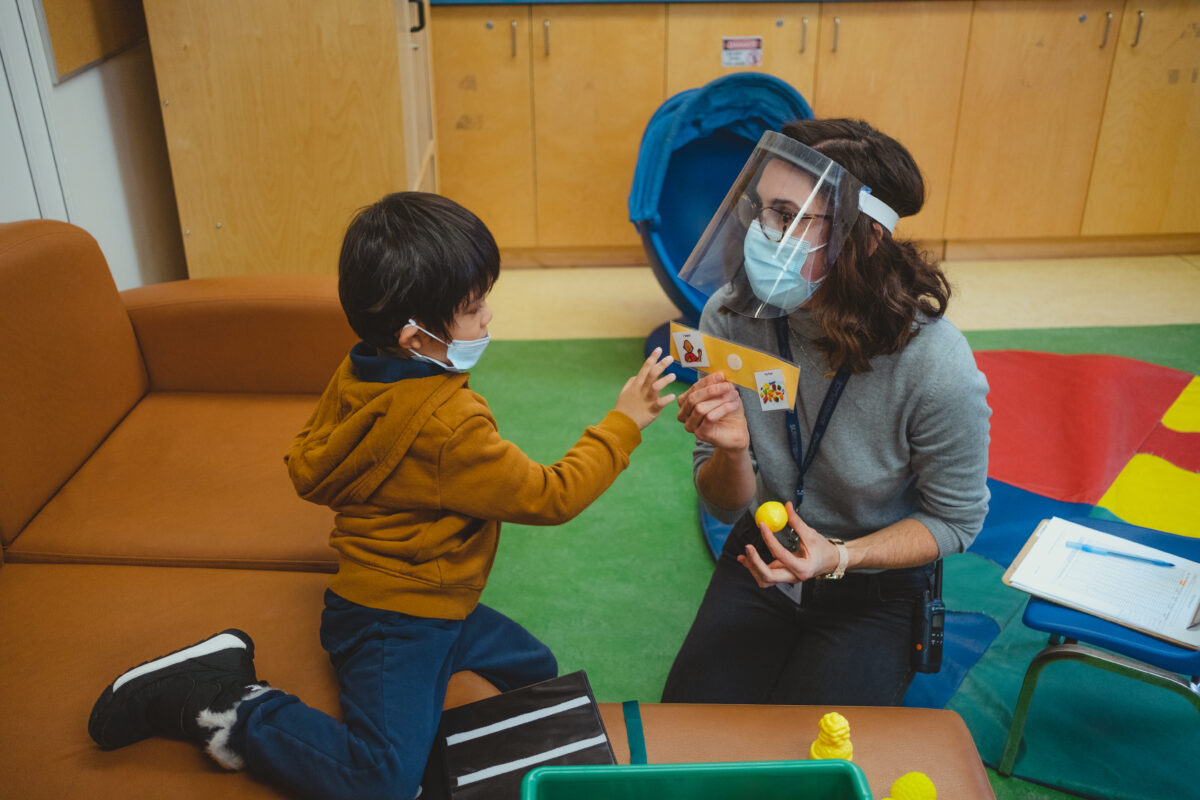
The COVID-19 pandemic made life even more challenging for many autistic people who live with a mental health condition.
Emerging data indicates that the mental health of some autistic children and adolescents worsened over the past two years, says Dr. Weiss, in part because of a breakdown of traditional ways of accessing supports. This included greater difficulty connecting with support workers as in-person services were forced to close temporarily or move online. This was further exacerbated in situations where an autistic person faced challenges accessing or using the technology that was needed to connect with support workers virtually.
As in-person activities and interactions became extremely limited during the pandemic, autistic people may have also experienced intensified feelings of isolation. The social isolation that defined the pandemic may have negatively impacted autistic children who thrive most when immersed in caring, supportive in-person environments, such as school, play dates and in-person therapies. According to an article in a pediatric journal, autistic children were a particularly vulnerable population during the COVID-19 pandemic due to the potential for exacerbation of symptoms, limited access to therapy, and the overwhelming responsibility placed on their caregivers. At the same time, for other autistic people who find traditional in-person contexts stressful, reduced demands during the pandemic may have translated into less distress.
It’s not just emotions, but the way people see and experience the world. And that results in mental health problems.
Dr. Weiss, who collaborates on research projects with Surrey Place, adds that the unpredictability of the pandemic may have caused additional stress for autistic people who were unsure how to plan and adapt in an ongoing, very uncertain situation. The pandemic disrupted daily routines and made life unpredictable, leading to heightened levels of anxiety and mental distress for some autistic people.
Know your usual
Given the often-blurred lines between a mental health issue and autism, what is the best way to identify whether a behaviour is due to autism or another condition?
Dr. Weiss says best practice is to know what someone’s “usual” is. This concept, which has been advocated by those who work in the field of psychiatry and mental health, centres around understanding what a person is usually like.

It is important to establish a baseline in order to understand when something has changed.
This is different from holding an autistic person up to an expectation of what’s “typical” for somebody who isn’t autistic, which risks pathologizing autism as a mental health problem.
According to Dr. Weiss, this means understanding what the person is like when they’re feeling “okay” about things, which makes it easier to identify any changes that occur from that baseline.
“It’s changes from the baseline that help us identify whether there are mental health problems that are new,” Dr. Weiss says.
The importance of self-care
For autistic people experiencing mental health challenges, Dr. Weiss recommends that they figure out (perhaps in conjunction with a clinician) both what works in terms of self-care strategies to boost well-being, and who works in terms of identifying people who add value to a person’s life.
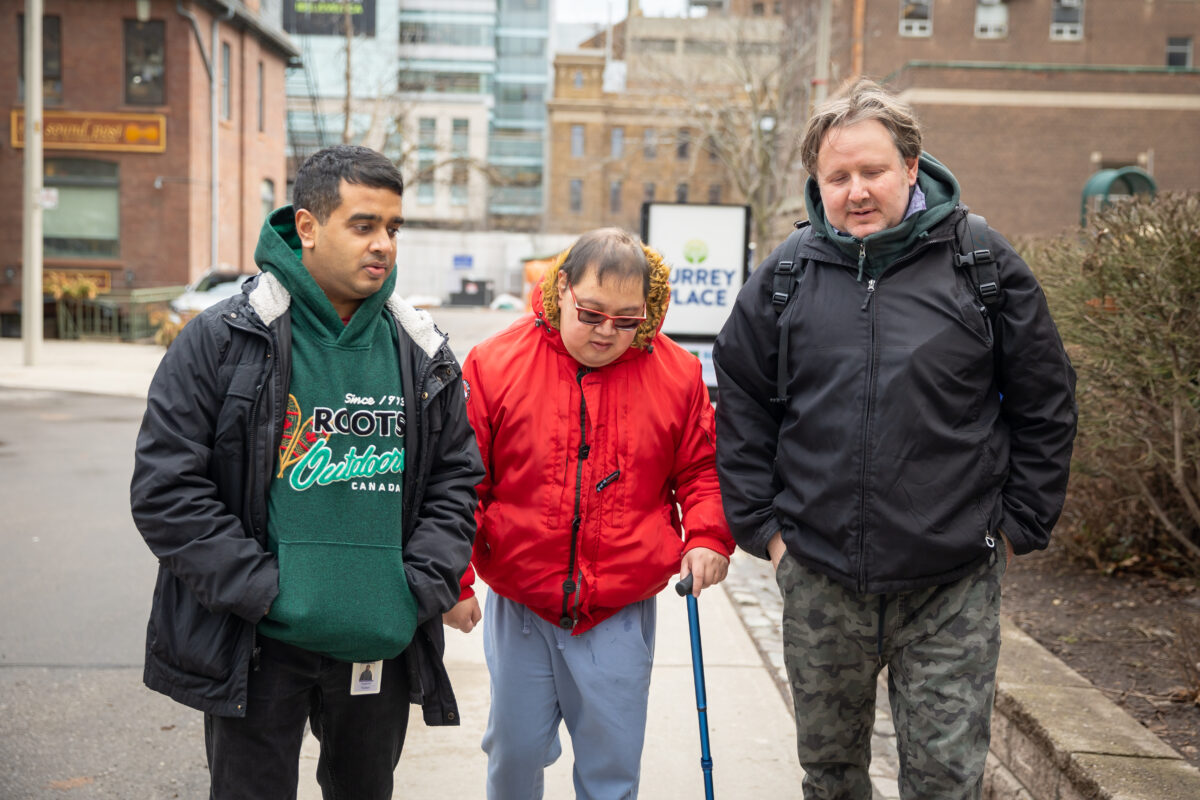
Some autistic adults find it helpful to connect with peers who have a similar lived experience.
What works refers to engaging in daily activities that a person enjoys that make them feel better. Self-care looks different for everyone – for one person, it may mean connecting with others while for another person it could mean taking a break from connecting.
When it comes to who works, Dr. Weiss emphasizes he’s not referring to formal supports, but rather the people in an autistic person’s life who lifts them up. It is important to connect with a community that enhances an autistic person’s sense of well-being.
Caring for others can also help people living with autism who struggle with mental health issues. This includes looking for ways to assist neighbours as well as other autistic people, which can be a pathway for autistic individuals to help themselves.
What needs to change
Coping with a mental health issue on top of the challenges autistic people already contend with in a neurotypical world compounds barriers to inclusion, independence and well-being. Because of the stigma autistic people face in general, they may be reluctant to disclose a mental health condition and seek appropriate help.
It is helpful to consider that the problem is not only within the person – what needs to change is the alignment between the person and their contexts.
For the situation to improve, two things need to change: the context in which autistic people live, along with the righting of misconceptions that autism is something that needs to be “fixed.” Research shows there are fewer mental health problems and a higher degree of positive mental health in autistic people who live in contexts in which they meaningfully participate in home life, school life and community life, according to Dr. Weiss
“It is helpful to consider that the problem is not only within the person – what needs to change is the alignment between the person and their contexts,” says Dr. Weiss. “We need to look at how we can change contexts, so they are better for the person.”

There are many services available for autistic children and adults in need of mental health support.
An autistic person may need help to treat a mental health condition, but autism must be “accepted and appreciated for the difference that it is,” he says.
He adds: “That’s not currently happening for many autistic people. The most important thing we can do is look for ways to accept autistic people, convey that they matter and meaningfully include them in society.”
Where to find help
Mental health in autistic children has long been neglected. Thankfully, there is now greater awareness around the issue and better supports are available. Organizations like Surrey Place, Woodview Mental Health & Autism Services and Kinark offer a variety of evidence-based, social-emotional programs. York University and CAMH also developed a free online guide for autistic individuals, families, mental health practitioners and service providers. The guide is intended to share knowledge around issues related to autistic mental health while providing strategies to promote well-being and information about helpful resources.Want to Access Autism Services?
Call our Children & Youth Intake 1-833-575-KIDS (5437)
Written by Stacey Stein

 Invert Colors
 Dark Contrast
 Low Saturation
 Highlight Links
 Text Spacing
 Text Size
 Readable Font
 Reading Cursor
 Line Height
 Text Alignment
 Align Left
 Align Center
 Justify Text