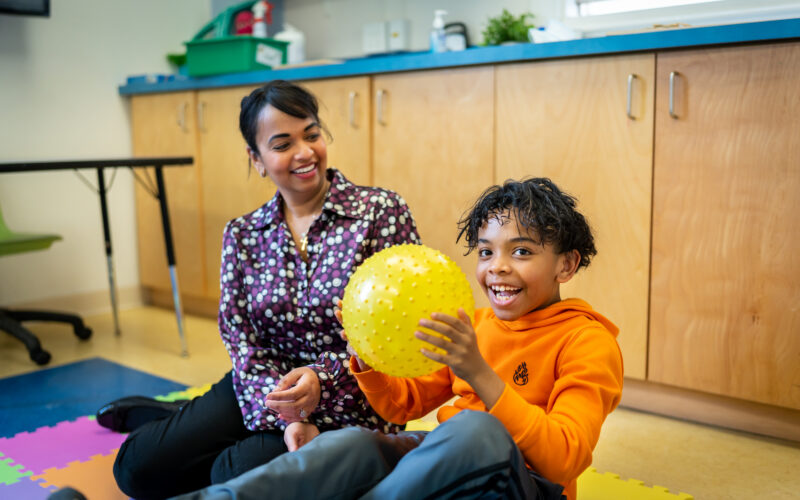
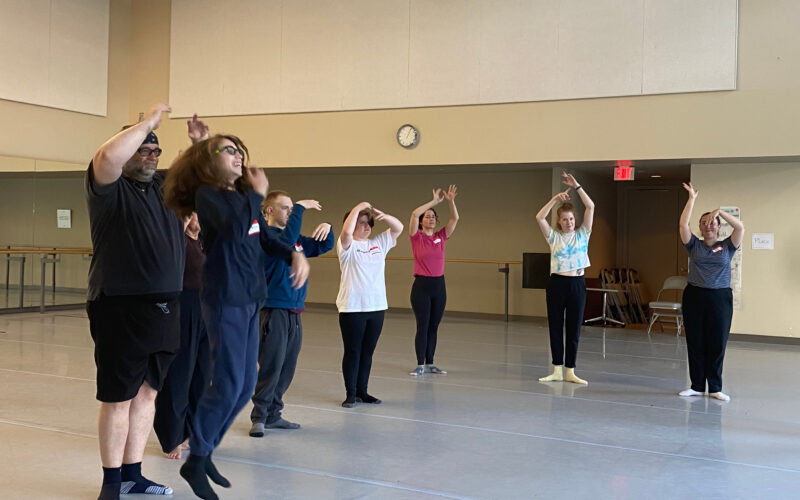
ABA Group Therapy consists of a suite of services that offers children a structured, engaging place to learn important life skills. There are many benefits to choosing ABA Group Therapy, including the opportunity for your child to interact with peers, gain confidence in group settings, all in a fun learning environment!
Reaching milestones with ABA Group Therapy
Your child is unique and our ABA groups are designed with that in mind. We have a variety of different groups where children can focus on learning certain goals and skills. Through ABA Group Therapy, children can reach important milestones like:
- Learning to express themselves better
- Developing increased interest in playing with others
- Recognizing their emotions and how to manage them more effectively
How do I know which ABA group is the right fit for my child
Our ABA Group Therapy is designed to meet the unique needs of each child as they grow and develop. It often works by skill levels—a series of developmental levels designed to support children and families through stages of growth. Based on strengths and skills, you can assess where your child would best fit within these skill levels and which specialized ABA services would be most beneficial.
“Finding the right support is about understanding the right fit for your child.” – Dr. Nancy Freeman
Dr. Nancy Freeman, Psychologist and Director of Core Autism Services, has been working with children with autism for over 35 years. She explains, “Children with more advanced skills may master their goals more quickly and move from one skill level to the next. Some who are earlier in their learning journey can be expected to benefit from continuing in a service for more than one session. It’s very common. It’s all about what your child needs at their stage of development.”
ABA Skill Levels, explained
The Skill Levels are a handy guide to help your family understand where your child’s skills are now and where they might go next. They are meant to support individualized progress and skill development in essential areas like communication, social skills, and emotional regulation.
The Skill Levels consist of five levels, with each level building on the previous one to develop foundational and advanced skills. Each of our ABA groups is categorized under a skill level to help you identify a service that best aligns with your child’s current abilities and your goals for them. From groups designed for early learners to groups designed for more advanced learners, there is something for everyone!
Learn more about what ABA groups are currently available here.
Finding Your Place in the ABA Skill Levels
Just as every child is unique, so is each family’s journey. Whether you are just starting out, somewhere in the middle, or straddling multiple steps, you can use the step-system to figure out your place. Here are some tips to help guide you:
- Match your child’s skills: Compare your child’s communication and social skills to the criteria for each skill level.
- Check the group goals: Explore the goals for each ABA group and how they align with your family’s goals for your child.
- Notice progress: If your child has completed a group before, consider whether they’d benefit from practicing those skills further in a structured setting, or if they’re showing new skills at home or elsewhere. This might indicate they’re ready to move to the next skill level.
- Connect with Surrey Place staff: Join a Discover Your ABA Journey session, attend an in-person intake drop-in session or visit a SmartStart Hub for guidance and support.
“Progress isn’t always a straight line, and that’s okay—every child’s developmental journey is unique!” – Dr. Nancy Freeman
Where would Alex fit?
Let’s take Alex as an example.
Alex is 8 years old and loves animals, especially turtles. He understands simple questions, expresses basic needs and wants, initiates short conversations, and often uses simple 2–3 word sentences. A goal for him would be learning how to interact and share with peers. Based on his strengths and skill level, Alex would be at Skill Level 3, and a group like Social Stars would be ideal to help build social skills such as sharing and parallel play.
Does Everyone Need to Start at Skill Level 1?
Absolutely not! If you’re unsure, we recommend booking a Discover Your ABA Journey session to work with a clinician to identify which program will best support your child. If you’re new to Surrey Place and your child is evaluated at a higher skill level (e.g., Skill Level 5), you can register them for groups in that level without attending earlier levels.
What if My Child Fits Between Two Skill Levels?
It’s common for children to have skills that span more than one level. In these cases:
Follow the recommendations from your child’s most recent clinician.
Consider repeating a current group to consolidate skills or adjusting goals to better fit your child.
For new families, attending a Discover Your ABA Journey session can help determine the right group.
1:1 Focused Behavioural Intervention (FBI) is also an option to target goals not covered in the group curriculum.
How to Know When My Child is Ready to Move On?
Every child develops at their own pace. Some may pick up skills quickly and begin using them at home or in the community—this can indicate readiness to move to the next skill level. Others may progress more gradually, in which case repeating a step or revisiting a previous one is helpful. The goal is always to build confidence and mastery before moving forward.
Learn about where your child might best fit with our ABA Group Therapy program map!
Is It Okay to Repeat Skill Levels?
Absolutely! Dr. Nancy Freeman emphasizes that repeating levels is a normal and effective part of the process.
Some children progress rapidly, while others benefit from revisiting a level to reinforce skills. As Dr. Freeman notes:
“Some children make progress by learning skills more thoroughly over time. Families often choose to repeat steps or services to reinforce skills, address specific needs, or adapt to a new stage of readiness. Every child’s developmental journey is unique, and all reasons for repeating are valid.”
Why Are There More Groups at Skill Levels 4 and 5?
At Skill Levels 1–3, children typically follow a clear early learning path, including:
- Establishing a communication system through Functional Communication, 1:1 FBI, or Full Day ABA services.
- Developing vocabulary within the established system via Early to Intermediate Communication.
- Beginning to engage with peers in parallel play or sharing using their newly established communication system by repeating Social Stars as many times as needed or switching between Early to Intermediate Communication and Social Stars.
Once a communication system and social skills are well established, the types of goals you may have for your child may begin to vary a lot more. Some questions to consider when considering goals include:
- Will my child benefit most from learning to use the communication system to explain their feelings? (ex., Take a Deep Breath)
- Does my child need to understand their peers, learning to read facial expressions and body language? (ex., Social Time)
- Would my child benefit most from advancing their communication system and working on 2-way reciprocal conversation? (ex., Conversion Club)
You can see how the number of groups and goals start to branch out once foundational skills are established.
All part of the autism journey
The ABA skill levels are flexible and designed to guide families in identifying where their child is and which programs may best suit their needs. Hovering between levels or repeating a level is a normal and valuable part of the journey. As a caregiver, you know your child best. The skill levels are a tool to help you feel confident in your decisions. Remember: progress is unique to every child—it’s not linear, but it’s always meaningful.
Learn more about which ABA Group Therapy might be the right match for your child!